Banner with BMH logo and text reading “BMH Community Wellness Programs” on a blue gradient background, with a circle of colorful hands forming a heart shape on the rightBanner with BMH logo and text reading “BMH Community Wellness Programs” on a blue gradient background, with a circle of colorful hands forming a heart shape on the right
Slide background

Community Wellness

At Boone Memorial Health (BMH), we know that true health is built in our homes, schools, workplaces, and communities – not just in exam rooms. In fact, up to 60 percent of what impacts a person’s health comes from everyday lifestyle and environmental factors.

That’s why, BMH is focused on providing a wide range of services that not only support your medical care, but support projects and activities that focus on the 60 percent of non-clinical factors that influence your health.

We have established a population health team that is dedicated to projects and activities that target social determinants of health—the real-life factors that influence how healthy we can be.

Population health is about improving health outcomes for entire communities by focusing on the bigger picture. It means identifying needs, addressing health disparities, and creating solutions that reach people where they are. At Boone Memorial Health, this work includes developing innovative programs, partnering with community organizations, and targeting the social determinants of health.

Through BMH Community Wellness Program initiatives, BMH is expanding its impact beyond traditional care—helping individuals and families live healthier, more active lives while strengthening the overall well-being of southern West Virginia.

SOCIAL DETERMINANTS OF HEALTH

Social determinants of health (SDOH) are non-medical factors that are determined by the environments where people are born, live, learn, work, play, worship, and age that influence a wide range of health and quality-of-life outcomes and risks.  The primary SDOH include economic stability, education access and quality, healthcare access and quality, neighborhood and built environment, and social and community context.

Examples of SDOH can include:

  • Access to safe/stable housing and the zip code you live in
  • Access to transportation
  • Access to quality education and job opportunities
  • Your work environment, how many jobs you work and financial compensation
  • Your household income
  • Access to nutritious foods and physical activity opportunities
  • Access to clean water and air
  • Your experiences with racism, discrimination, and violence
  • Your language and literacy skills

While we might not realize it, all of these factors shape our behaviors and have a major impact on our health, well-being and quality of life. For example, a person who doesn’t have convenient access to a grocery store with healthy foods is less likely to have good nutrition. This raises their risk of health conditions like heart disease, diabetes, and obesity.

Boone Memorial Health Population Health team, together with the BMH Foundation, have worked to develop and provide a variety of programs and initiatives to positively impact social determinants of health and improve outcomes for people throughout southern West Virginia.

Community Wellness Programs

The BMH Population Health team offers a wide range of education programs that focus on improving health outcomes for southern West Virginians. The great news is that all of our education programs are free! Click on the photos below to learn more about each of our programs and how you can participate.

Visit the Events Page for upcoming Community Wellness Program launch dates.
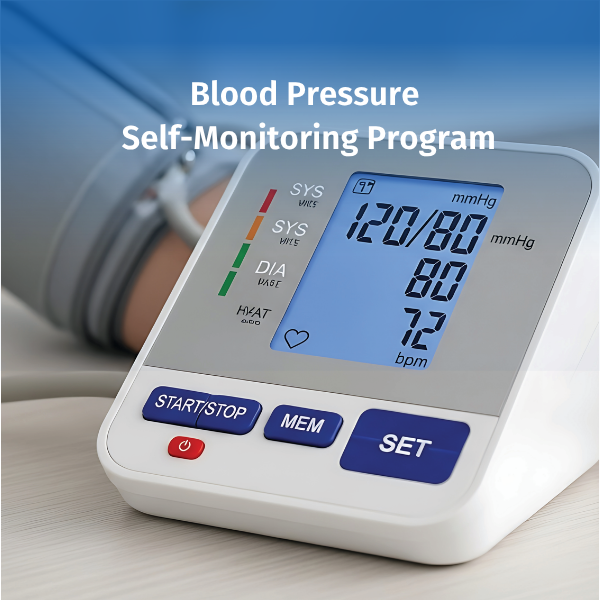
Digital blood pressure monitor displaying a reading of 120/80 mmHg with the headline “Blood Pressure Self-Monitoring Program” overlaid above the device. The monitor is attached to a person's arm and shown in a clinical or home healthcare setting.
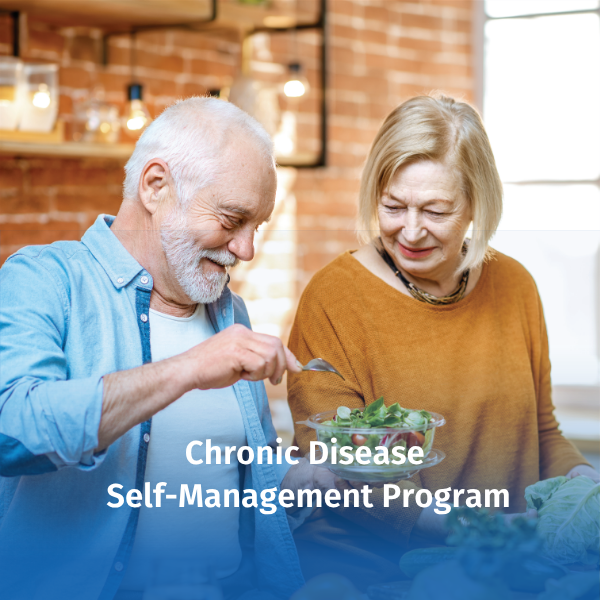
An older couple prepares a fresh salad in a home kitchen, illustrating healthy lifestyle habits that support chronic disease management. Text overlay reads “Chronic Disease Self-Management Program.”
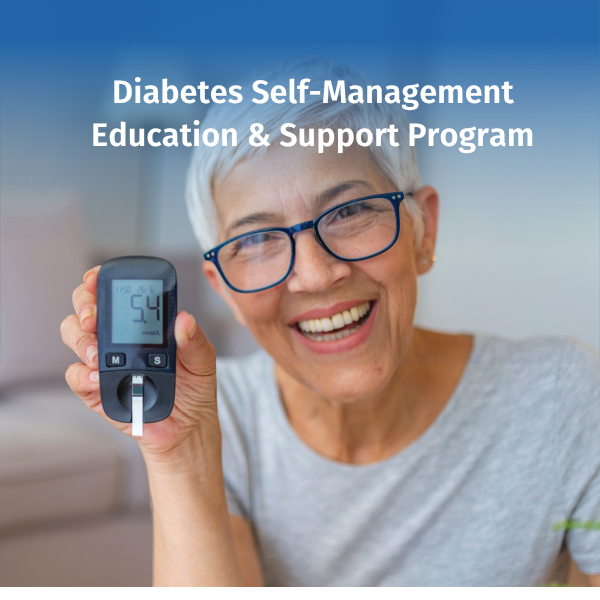
An older woman smiles while holding a blood glucose meter that displays a blood sugar reading. The image represents diabetes self-management, education, and support to help individuals monitor their health and manage diabetes effectively. Text overlay reads “Diabetes Self-Management Education & Support Program.”
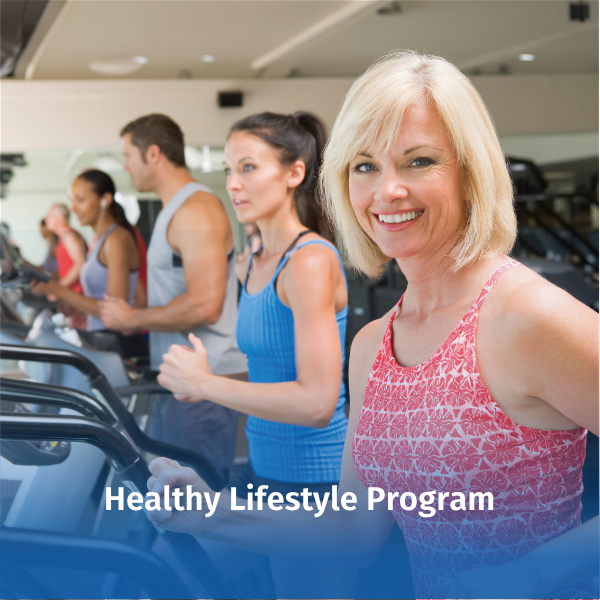
A woman participates in cardiovascular exercise on a treadmill at a fitness facility, with several other individuals exercising nearby. The image represents physical activity and healthy lifestyle habits that support overall wellness and disease prevention. Text overlay reads “Healthy Lifestyle Program.”
A person walks along an outdoor path, highlighting physical activity and mobility. The image represents the Walk With Ease program, which encourages safe, regular walking to improve health, reduce pain, and increase physical function. Text overlay reads “Walk With Ease.”
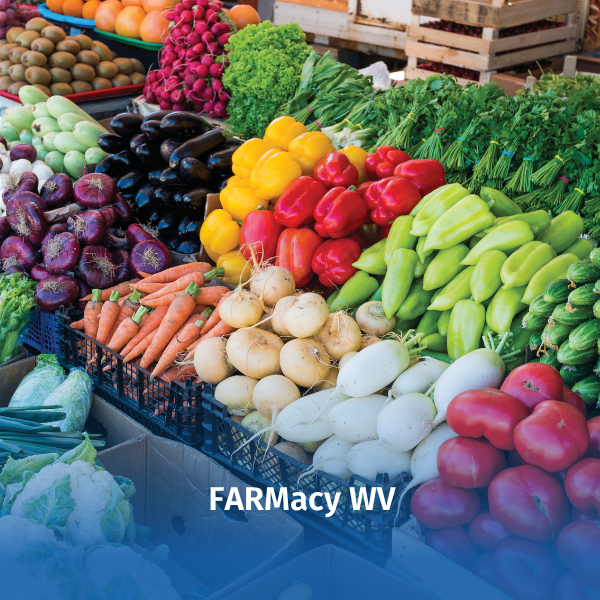
Fresh produce arranged in market baskets, featuring a variety of colorful vegetables and fruits such as tomatoes, peppers, carrots, onions, radishes, eggplant, cucumbers, and leafy greens. The image promotes the FARMacy WV program, which encourages access to healthy foods and nutrition
Several adults participate in a community walking program, walking together outdoors while wearing blue “Walk With a Doc” shirts. The image represents a health and wellness initiative that encourages physical activity, education, and community engagement. Text overlay reads “Walk With A Doc.”
Front entrance of the Market on Main building, featuring a modern design with wood siding, stone columns, large windows, and exterior lighting. The image represents a community gathering place that offers local products, events, and activities. Text overlay reads “Market on Main.”